All Categories
Featured
Table of Contents
When your board asks why functional expenses keep increasing in spite of all those automation investments, or when client satisfaction scores drop even after carrying out "efficiency improvements," you're dealing with the reality that including innovation to damaged procedures just produces expensive broken processes. As a technology leader, you comprehend that true optimization needs surgical precisionknowing precisely where inadequacies exist and how to remove them without disrupting critical operations.
A company process optimization strategy focuses on refining workflows to improve performance, reduce expenses, and increase throughput without breaching operational restraints. It involves structured adjustments to existing processes based upon clearly defined goals and quantifiable outcomes. This approach plays an important function in business decision-making, specifically when teams intend to simplify operations, minimize redundancies, and increase responsiveness.
Business process optimization is the tactical methodology of boosting existing workflows through information analysis, automation, and systematic improvement strategies to optimize operational effectiveness, minimize costs, and remove waste while maintaining or improving service quality and compliance requirements. In the service world, time is cash. Any process that can conserve time, minimize errors, and boost productivity deserves pursuing.
Navigating Time Zone Differences for Optimal Team IntegrationNavigating Complex Labor Regulations in Global Regions
It can be challenging to change recognized processes, however the advantages are worth the effort. Let's look at some particular advantages: or redundancies in processes, resulting in enhanced procedure outputs between core, strategic, and management processes, leading to much better outcomes and increased performance and productivity, resulting in increased time, resource, and monetary savings and revamping through better process management improves the general quality of outputs and outcomes.
Here are some steps you can require to get started: Review your current processes to recognize the ones that need enhancement. Examine metrics such as cycle time, mistake rate, and consumer feedback. Map out the present processes to understand the actions, inputs, and outputs. Recognize inadequacies, redundancies, and bottlenecks. Examine the procedures to identify areas that can be improved.
Revamp the procedures to incorporate the improvements. Evaluate the upgraded processes to ensure they are effective and effective. Plot the new process with a little team or department.
Screen metrics, collect feedback, and make needed changes. Here are a couple of real-life examples of how business process optimization can increase performance.
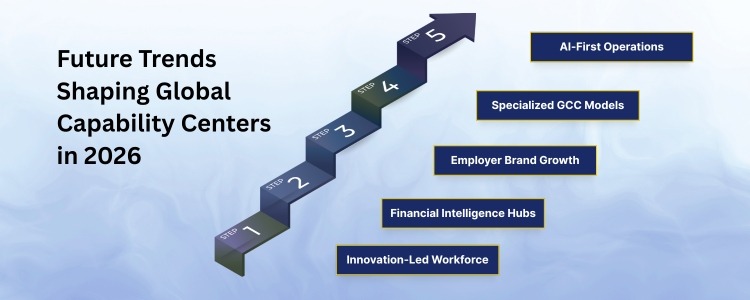
Maximizing GCC Frameworks in 2026
To improve requests, the department releases a devoted workflow management system. Because the whole procedure is paper-based, they misread numbers and reimburse the incorrect amount to workers.
Onboarding a new worker happens in a series of steps. After the worker indications it, the next step to provision assets in IT should proceed.
With Kissflow, organizations can digitize their manual processes, automate tasks, and standardize their workflows to improve performance and minimize costs., making it easy for services to develop customized workflows without requiring any coding expertise.
Developing a Locally Resonant Employer Brand for Your GCCKissflow can help to standardize procedures by supplying a constant structure for tasks and approvals. You can reduce variation and enhance consistency.
Navigating International Labor Regulations for New Regions
You can improve effectiveness and reduce expenses. A service process optimization method requires information to drive enhancement. Kissflow offers real-time visibility into workflow efficiency, assisting teams pinpoint inefficiencies and refine processes continually.

Latest Posts
Shifting From Traditional Models to Integrated GCC Structures
Optimizing GCC Frameworks in 2026
Workforce Management Trends to Watch for 2026