All Categories
Featured
Refining Business Process Performance Global Innovation
Table of Contents
Outsourcing is becoming more common as organizations try to find methods to scale effectively and remain competitive, but success depends on picking the right design for how your team works. In this guide, we explain how each outsourcing model works and what it resembles to partner with teams in various regions.
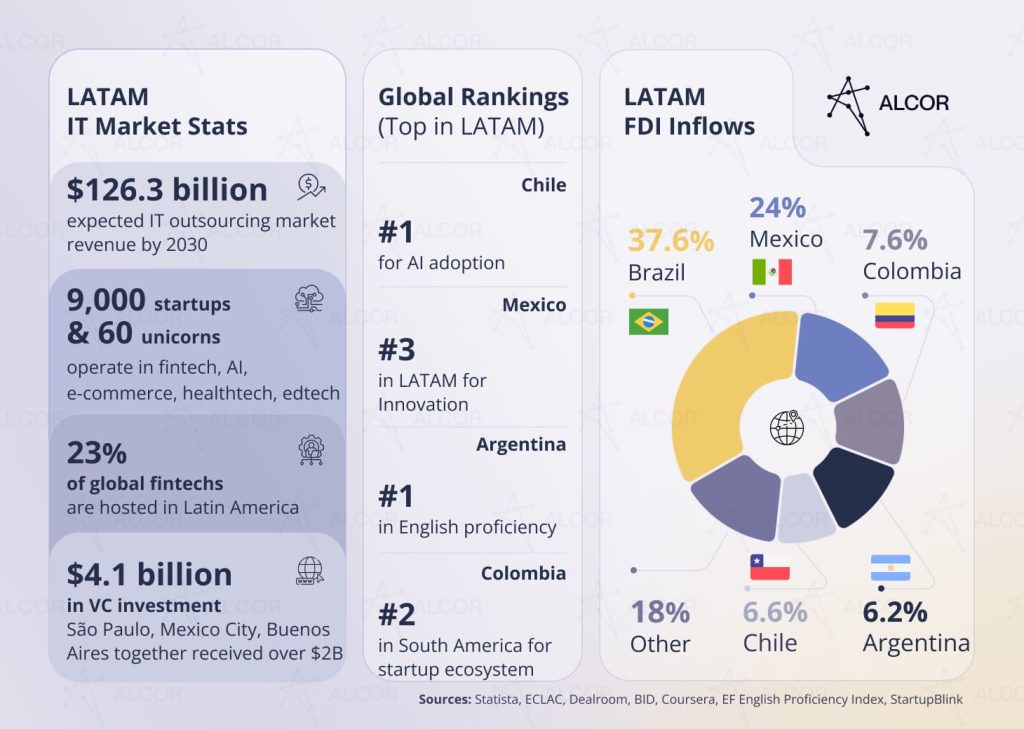
There are three main location-based alternatives for contracting out work: nearshore outsourcing, offshore outsourcing, and onshore outsourcing. Organizations use these models for everything from contact center outsourcing to contracting out software development and back-office assistance. This model partners with a business in a nearby country. For U.S. organizations, nearshore outsourcing usually means dealing with teams in Mexico or Latin America.
This model partners with more remote nations like India or the Philippines. Teams are based far from the U.S., frequently with large time zone distinctions. Offshore outsourcing involves dealing with partners across different parts of the world. This model keeps the work inside the U.S. Onshore outsourcing methods hiring a group that runs within the very same nationwide borders.
Lots of business pick nearshore or overseas outsourcing over onshore outsourcing since local hiring typically suggests facing higher labor expenses, slower recruiting, and a smaller sized supply of certified candidates. On the other hand, nearshore outsourcing typically results in quicker hiring and more budget-friendly salaries, while offshore outsourcing provides companies access to a wider talent pool with specialized skills and often even lower expenses.
When companies compare nearshore and overseas outsourcing, it's easy to believe just about location, however comprehending the essential differences goes deeper than physical area. Practical organization aspects like time zone positioning and interaction flow shape how an outsourcing model fits business requirements.
Navigating International Labor Market Dynamics in 2026
Nearshore teams often operate in similar time zones, which can make conferences and fast turn-arounds easier to coordinate. Offshore teams usually work across wider time differences and may rely more on asynchronous interaction, like scheduled updates or shift-based task handoffs. Both models can support 24/7 operations, depending on how workflows are structured and expectations are set.
Nearshore and offshore teams typically utilize different interaction rhythms, however both depend on distinct processes to remain aligned. Nearshore teams may lean on more casual, real-time exchanges, while offshore teams frequently highlight clear reporting and standardized check-ins to bridge any spaces in work hours or design. When functions and feedback loops are clearly described, both models can keep progress visible and on schedule.
On the other hand, offshore outsourcing taps into bigger and often more diverse labor markets with comprehensive technical know-how in areas like software development and financial operations. Countries like India and the Philippines are known for their scale and technical depth, while places like Mexico and Costa Rica are recognized for language abilities and service functions.
Offshore teams may bring various customs, however lots of suppliers invest in cross-cultural training and onboarding to build strong working relationships. Group adaptability and clear expectations assist both designs work well, regardless of the location.
Offshore groups often have lower per hour rates due to bigger labor force and wage differences. Nearshore groups may have somewhat greater direct expenses, but could reduce other costs connected to coordination or miscommunication. What matters most is how the overall expense lines up with the value provided. Business that take both immediate expenses and long-term performance into account tend to get the very best outcomes from either approach.
Essential Business Growth Strategies for New Americas Markets
Here's what makes it work well and where you may need to prepare ahead. Groups in comparable time zones can leap on calls, evaluation deliverables, and troubleshoot issues throughout the very same workday.
This makes it simpler to develop trust and solve complex difficulties rapidly. Cultural alignment likewise plays a big role. Dealing with a nearshore partner frequently means less barriers around language or shared business expectations. That compatibility can make team characteristics smoother and decrease the requirement for consistent explanation, something that matters in fast-moving environments.
Maximizing Corporate Output With Strategic GCC SolutionsThe labor swimming pool in a single area may be smaller than in international overseas hubs, which could make it harder to fill highly technical or niche roles. Business looking for deep specialization may need to work with suppliers who hire across numerous nearshore business or offer blended group designs.

Latest Posts

Shifting From Traditional Models to Integrated GCC Structures
Optimizing GCC Frameworks in 2026
Workforce Management Trends to Watch for 2026