All Categories
Featured
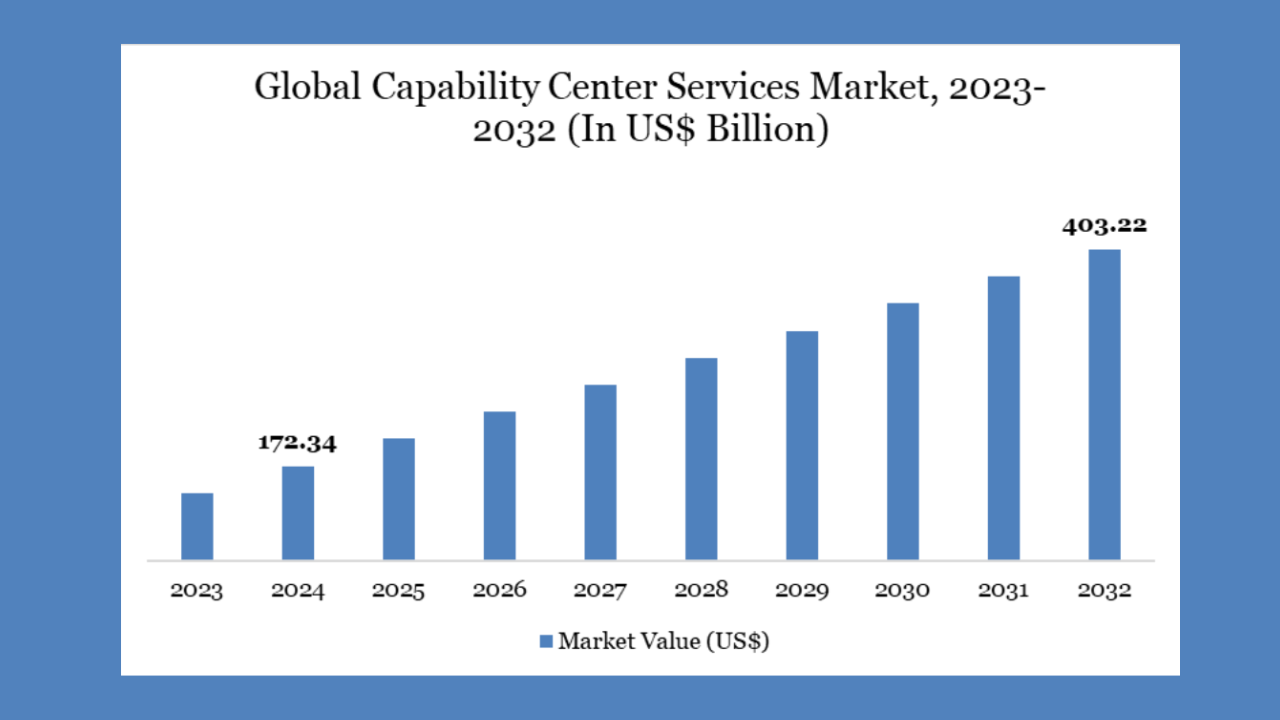

Why Capability Centers Boost Efficiency in 2026
Table of Contents
Expenses accumulate silently. Efficiency difference boosts. The process of solving issues through reversal ends up being too pricey since all individuals can now see the issues. Leadership teams stop working to broaden their operations since they do not possess adequate experience. The system fails due to the fact that its integrated structure produces situations which deteriorate its capability to hold individuals responsible for their actions.
Organizations can take immediate action through interim leadership while this structure protects them from making long lasting options before they are all set. The system allows corporate decision-making to link with the local-level execution of these decisions.
The system allows businesses to expand through numerous controlled stages rather of needing them to make a complete all-or-nothing financial investment. An effective growth requires an operating system which enables fast management of far-off sites and intricate service circumstances.
The review process for the core service requires to run at a quicker speed than the evaluation procedure for the core company. Organizations which attempt to broaden their current operating model across different places through basic extension will discover that their main operations stop working to preserve success when operating from far-off areas.
Key Tactics for Developing Global Capability Centers
Boards that govern expansion successfully focus less on aspiration and more on functional coherence. The primary objective of the first year of growth in 2026 is not development. It is controllability. The board requires to anticipate profits expansion which will disappoint the positive forecasts that have been made.
The evaluation process for growth needs urgent evaluation because it ends up being required to evaluate when organizations can not achieve early control demonstration. Organizations which use their very first year to validate operational readiness will accomplish better outcomes when they choose to speed up their operations. Organizations which attempt to broaden their operations at their first growth stage will consume all their money while losing their most valuable time-based resources.
Business Process Optimization in the Post-Expansion LandscapeThe governance obstacle reveals both useful and detrimental elements of leadership systems which emerge through this scenario. Organizations which embrace structural humility and execution discipline and explicit governance style will be successful in their expansion into difficult markets. The path to failure for organizations that depend on optimism and partner relationships, and tradition functional systems will emerge before their financial performance needs restorative action.
Leadership systems do. International Executive Consulting supplies its services to CEOs and their boards and investors who require aid with fast worldwide business expansion. The business uses experienced operators to connect its governance system with its leadership company and functional timing which lessens growth threats while enabling them to pick tactical instructions.
A growth technique includes purposeful decisions that help a service produce and catch worth over time. It focuses on specifying where to complete, how to allocate resources, and which markets or items to focus on. Reliable techniques layer clear objectives, step progress with KPIs and OKRs, and adjust based upon confirmed customer worth hypotheses.
Key Tips for Managing Enterprise Capability Centers
Harvard Company School frames development technique as structured decisions instead of a list of tactics, tailored to each firm's unique scenario. Defining growth technique indicates deciding where to contend, how to allocate resources, and which markets or products to focus on. The Ansoff Matrix, OKRs, and KPI structures are the most widely utilized tools for equating that intent into a working strategy.
Harvard Company School professor Felix Oberholzer-Gee argues that efficient growth strategies identify changes in worth development and the trade-offs a company must perform as it scales.
That finding uses equally to private startups: business that define their development reasoning early develop compounding benefits that are tough to duplicate. Without a clear development method, you end up reacting to chances rather than selecting them. Response is pricey. Choice is lucrative. The Ansoff Matrix is the most practical framework for categorizing organization growth techniques.
Scaling Corporate Footprints With GCC Frameworks
StrategyDefinitionRisk LevelBest ForMarket PenetrationSell more of existing products to existing customersLowEarly-stage start-ups with tested product-market fitMarket DevelopmentEnter brand-new markets with existing productsMediumBusinesses with a replicable model prepared to broaden geographicallyProduct DevelopmentCreate brand-new products for existing customersMedium-HighCompanies with strong customer relationships and R&D capacityDiversificationNew products for new marketsHighEstablished organizations with capital and danger toleranceStartups generally gain from starting at the low-risk end of this spectrum.Wells Fargo suggests tailoring growth objectives to profits targets, market share, or client worth, always grounded in your organization mission and threat tolerance. That advice sounds basic, but most founders avoid the alignment action and set objectives that feel ambitious without linking to the underlying company design. 3 unique goal types drive most growth techniques: step top-line growth.

Latest Posts

Shifting From Traditional Models to Integrated GCC Structures
Optimizing GCC Frameworks in 2026
Workforce Management Trends to Watch for 2026